Things to do in Varanasi, Kashi or Benaras
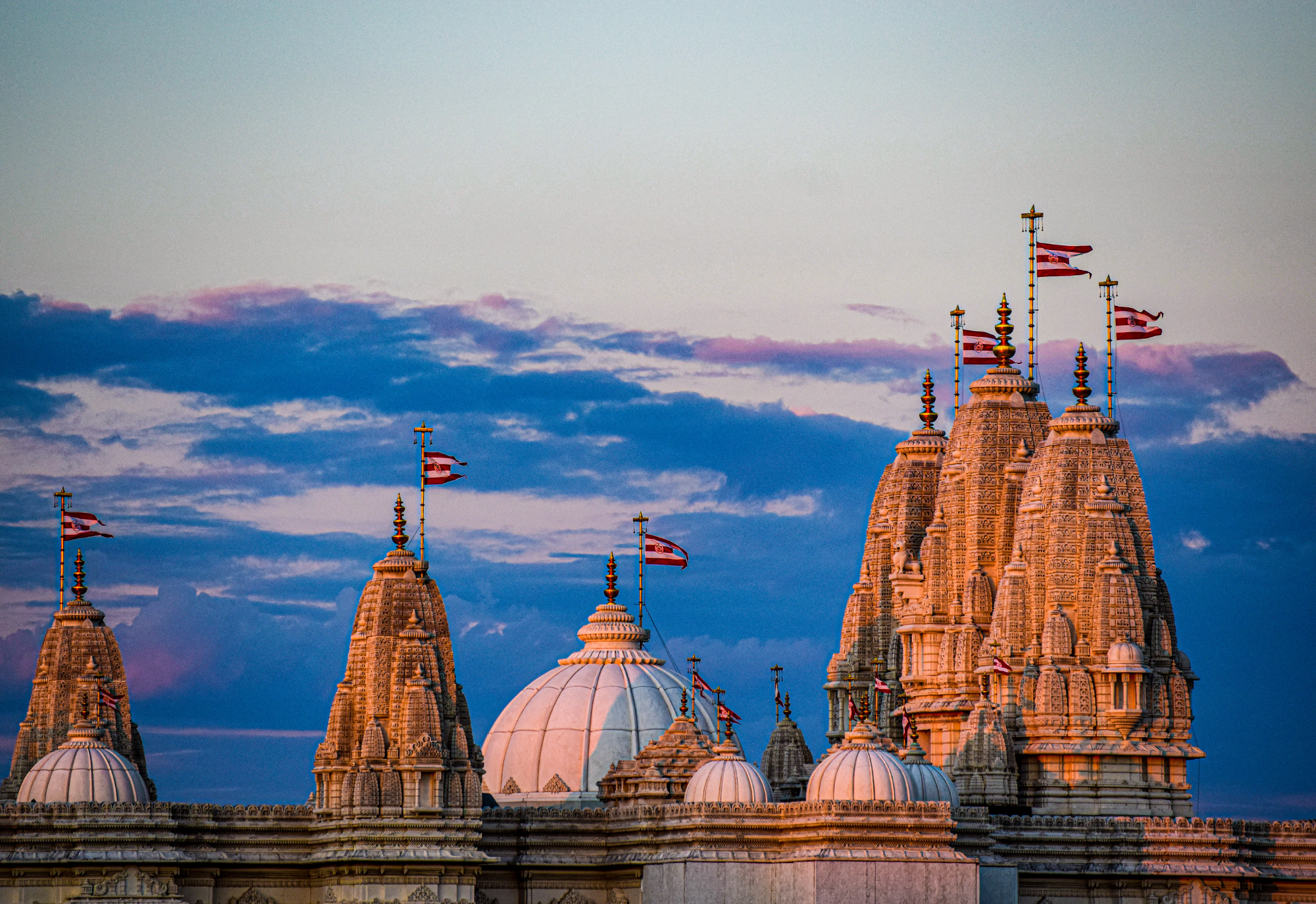
Within hours Kashi, Varanasi, or Benaras grew on us. While roaming aimlessly around the ghats of Varanasi, we started to connect with this ancient city. A first impression of Varanasi can be a jarring experience. This ancient city, considered to be even older than history, is chaotic, confusing, and in pandemonium. A cacophony of different sounds greeted us, and for a moment we rolled our eyes and thought, "why another crowded place". Didn't we have enough of them. But we found that there are so many things to do in Varanasi and gradually we fell in love with the 'chaotic, crowded, dirty', but an endearing Kashi.
The first impression of the city in my mind is when I visited Varanasi during my childhood. We lovingly called the place Benaras. My memory fails when I try to recollect those experiences. Then, I read Satyajit Ray's 'Joy Baba Felunath', and I wanted to come back to Benaras again to trace the path that the iconic detective character had taken! (For the uninitiated, I am talking about Feluda, the suave Bengali detective who holds a dear place in almost all Bengali's hearts).
So we traced the narrow alleys of Vishwanath Gali; we totally embraced the hue, sound, and smell of the place. Watching the corpse being burnt on funeral pyres, one could understand how ephemeral life could be. As we saw countless people doing the last rites of their loved ones at the ghats, small boys getting their head shaved for the first time, we realized that faith is unquestioning belief. We are glad to have experienced the city of light, not just visited it! Hence, we took it upon ourselves to write this Varanasi travel guide that might help in visiting this ancient city.
Kashi, Varanasi, or Benaras – what's in a name?
So what's in a name? Whatever name we call Varanasi, the place shall remain as spiritual and charming as it is, according to Shakespeare. More interestingly, the city got all the three names, and each has its own significance. So what do these names represent?
Kashi or Kāśi
It comes as little surprise that Mark Twain had termed Benaras or Varanasi older than history, older than legend. The spiritual capital of India, Varanasi has been called Kashi in Rig Veda - one of the oldest Hindu scared texts. The word Kashi is derived from the words Kaś that means 'to shine'. Kashi thus is also called the 'city of light'. Perhaps the city was the spiritual guide, the beacon to lost souls who sought enlightenment. Kashi is also called Avimuktaka—never forsaken by Shiva, Rudravasa—the place where Shiva resides, Anandakanana, Mahasmasana, Surandhana, Brahma Vardha, Sudarsana, and Ramya in religious texts of different periods.
Varanasi
The name Varanasi came from the two river tributaries of Ganga that border the city. Varuna flows in the northern part and Assi flows in the southern part near the Assi Ghat.
Benaras or Banaras
Benaras is probably the modified or corrupted version of Varanasi. Some blame it on the colonizers who had changed the name to suit their accent. It is said that Kashi is the 'original ground' created by Lord Shiva and Goddess Parvati. And many more legends, myths, stories are spun around the city of light. Varanasi is a microcosm of Hinduism—the holiest pilgrimage sanctified by the religious scriptures. That is why perhaps Hindus want to visit Kashi once in their lifetime. But religion apart, Kashi can change you spiritually.
History of Varanasi (Kashi)
Varanasi has found mention time and again in Indian epics Ramayana and Mahabharata as well as Buddhists Jataka tales. Varanasi was the seat of Aryan civilization during the 2nd millennium BCE and it was an important centre for trade and commerce. Varanasi was the capital of the kingdom of Kashi during 6th century BCE. Lord Buddha preached his first sermon at Sarnath, merely 10 km from Varanasi. The visit of the famous Chinese traveller Xuanzang to Varanasi in 635 BCE substantiated its glory and prosperity.
In the Mughal period, the city lost some of its prosperity but was again revived by the Marathas. In British times, it continued to remain a religious and commercial center. The eventful history of the city can be seen at the various ghats of Varanasi.
Witness the Ghats of Varanasi
 There are more than 70 ghats in Varanasi! The Ghats are the riverfront steps that lead to the banks of the River Ganga. However, Varanasi ghats are not just any other ghats. They, in themselves, are a history. The huge structures by the ghats tell a lot about the story of the place.
The Dasaswamedh Ghat is the most important and famous at Varanasi. Obviously, it is the busiest, and you will always see a lot of people there, taking a holy dip or shaving off their head, or doing some puja. In the evening, Arti also forms one of the major attractions of this Ghat.
Comparatively, the Assi Ghat, at the southernmost end, is less crowded but an equally important Ghat. This place has been mostly visited and inhabited by long-term students, researchers, and foreign students. Watching the morning Arti at Assi Ghat is simply a spectacle.
The cremations take place at Manikarnika Ghat and Harishchandra Ghat. You will see the pyre burning at any time of the day here. These two ghats are a little dirty, with a different smell.
Pro Traveler Tip: Take a walk along the ghats. The numbers are overwhelming, but in reality, these ghats are pretty close to each other. We walked from the Manikarnika Ghat, the almost middle one, towards Assi Ghat and then back to our hostel near Dasaswamedh Ghat by an auto-rickshaw.
Take a boat ride on the Ganges.
The boat ride at the Ganges is a surreal experience, especially so if you do it early in the morning during the sunrise. There are two kinds of boats – the motorized one and the hand-rowed one. The motorised one will take a certain number of passengers, while you can hire a hand-rowed boat for yourself. You can bargain with the boatman and fix a certain rate for a fixed amount of time on the boat. The ghats looked quite beautiful from the river. It would take a hand-rowed boat around INR 500 – 700 for a one hour boat ride.
Pro Tip: While the view of the sunrise from the boat is surreal, if you want to take some great pictures of the ghat from the boat, then take a boat ride later in the day.
Attend the Ganga Arti
It is one of the most spectacular things to watch at Varanasi. We had earlier seen the Arti at Haridwar. The evening Ganga Arti takes place at Dasaswamedh ghat and Rajendra Prasad Ghat. The Morning Arti takes place at Assi Ghat. The evening Arti starts at about 6:30 PM and lasts for 45 minutes. The morning Arti starts at about 5:45 AM.
You can see the Arti by booking special seats or by riding a boat. But even if you don't do so, you will be able to see the Arti from the ghat. Trust us—the Ganga Arti is quite an impressive one.
Pro Tip: Try to attend the ghat in the morning Arti at Assi Ghat. It is less crowded and you can watch it in peace and take some great photographs.
Visit Varanasi's temples
Kashi is famous for its temples. The Kashi Viswanath Temple is the most revered one and is considered by the Hindus as one of the most sacred places of worship. You can hire an auto and visit the Kashi Vishwanath Temple, Kaal Bhairav temple, Durga Kund Temple, Sankat Mochan Hanuman Temple, Maa Annapurna Temple amongst others.
Pro Tip: Be very careful while visiting the Kashi Vishwanath Temple. There are a lot of touts over there. Beware of shopkeepers especially who ask to keep all your belongings at their locker for free. You are not allowed to take anything inside the temple. Well, nothing in this world is free.
How to avoid Varanasi Scams – a must read!
Now that all of the beautiful things have been said about Varanasi, we also need to say a few words about the problems you might face there. No doubt the place is chaotic, crowded and unrelentingly indiscreet. Benaras is simply unapologetic. No doubt, Benaras holds the reputation for having some of the most ingenious scammers, and you will get constant attention from touts. Of the many sadhus that you encounter at Varanasi, it is difficult to tell how many of them are real, and how many frauds. First timers and especially foreign tourists are the target of the scams. Here are a few of the known scams that you can avoid at Varanasi.
Cremation Wood Scam
Even Lonely Planet mentions it. It basically targets the foreign tourists who visit the Ghats of Varanasi. Manikarnika Ghat is the burning ghat in Varanasi. When you are there, someone well-spoken may come to you and tell you something about the cremation. He will then ask you for a donation to purchase wood for some poor family. You might shell out a few bucks but the amount never goes to any poor. Simply ignore these people.
Over friendly historians
Again at the Ghats, someone who looks like a Sadhu or Pundit might approach you. He will start telling you about the history of the Ghat and Benaras. And then he would ask for money. It is better to ignore these people at the beginning. If you really want to know about Benaras, take part in the heritage walks in Benaras. You will spend some amount, but will not be cheated. Search online, look at Trip Advisor and then select your guide.
Hotel shut down
Once you are at the airport or railway station, you will be approached by auto and cab drivers. If you do not know where the hotel is, he would take you in the neighborhood and then ask some shopkeeper about the location. That person, who would be most probably an accomplice, will tell that the hotel is closed. Afterwards, they will just take you to some other hotel and would quote a much higher price. It may also happen that the auto driver takes you to some other place and try to pass it off as that particular hotel.
The best thing you can do in this case is confirming from the hotel itself and ask for a pickup. In case of a pre-paid taxi, do not pay the receipt till the time you reach your final destination.
Free Lockers
Near Kashi Viswanath Temple, you will find many shopkeepers approaching you, asking you to keep your belongings in lockers at their shop for free. Try not to be attracted by them. All these are scam shopkeepers, and they will try to take money from you by selling unnecessary things.